

Discover 10 stunning Malaysian specialties, from the iconic nasi lemak to ayam percik, offering a mouth-watering and unforgettable culinary experience.
Malaysia is known for its cultural diversity and mouth-watering cuisine, reflecting the influences of its various ethnicities, including Malay, Chinese, Indian, and Peranakan.
Every dish in Malaysia presents a rich and unique combination of flavors—from savory, spicy, sour, to sweet —that not only delight the palate but also carry a long cultural history.
Signature dishes ranging from the iconic Nasi Lemak to the mouth-watering Ayam Percik all offer an immersive and unforgettable culinary experience.
If you visit Malaysia, here are 10 Typical Malaysian Foods that you must try to make your culinary experience more complete and satisfying.
1. Nasi Lemak
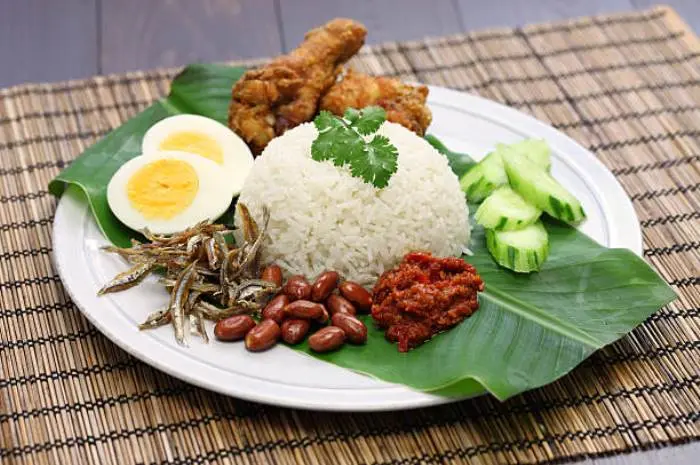
Nasi Lemak is a very iconic Malaysian national dish and is considered its most famous dish. This dish consists of rice cooked in coconut milk, giving it a rich taste and fragrant aroma.
Nasi Lemak is usually served with various accompaniments that complement each other, creating the perfect taste. Crispy fried anchovies are the main accompaniment, providing a savory flavor that contrasts with the soft rice.
Fresh cucumber slices add a cool flavor, while fried peanuts provide a savory crunchy texture. Not to forget, the spicy chili sauce made from chili, shallots, and shrimp paste adds a distinctive spicy flavor.
Sometimes, this dish is accompanied by a boiled egg or fried egg, making Nasi Lemak a complete and satisfying meal. All these elements are usually wrapped in banana leaves which give a distinctive aroma, making this dish even more delicious to enjoy.
2. Pongteh Chicken
Ayam Pongteh is a traditional dish originating from the Peranakan community, who are descendants of Chinese-Malays who settled in Malaysia and Singapore.
This dish combines elements of Chinese and Malay cuisine with chunks of chicken cooked in a rich broth. The broth is made from tauco (fermented soybeans), brown sugar, garlic, pepper, and spices, creating a blend of sweet, savory, and slightly spicy flavors.
Ayam Pongteh is often served with potatoes, mushrooms, and white sticky rice that absorb the delicious broth, making each mouthful even more delicious and flavorful. This dish is very popular at family gatherings and is a choice that warms the body and heart.
3. Banana Leaf Rice
Banana Leaf Rice is a unique dish featuring rice cooked in coconut milk and spices, then wrapped in banana leaves for further cooking.
The wrapping process in banana leaves imparts a distinctive aroma that blends with the rice, creating a rich and mouth-watering flavor. This rice is often served with side dishes such as fried chicken, grilled fish, chili sauce, and pickles.
The natural ingredients in its presentation show the close relationship between humans and nature, making it a dish that is not only delicious but also ecologically valuable.
In addition, Banana Leaf Rice offers a traditional and memorable dining experience for anyone who tries it.
4. Penang Sour Laksa
Penang Asam Laksa is one of the most famous dishes from Penang Island in Malaysia. This dish has a unique and very distinctive taste, with a sour and spicy sauce.
Asam Laksa sauce is made from mackerel fish boiled with spices such as kantan flowers, lemongrass and kesum leaves, resulting in a thick, sour and spicy taste.
The thick noodles used in this dish absorb the rich soup well, while the chunks of mackerel provide a creamy texture.
This dish also features refreshing cucumber, bean sprouts, and boiled egg, creating the perfect balance of spicy, sour, and fresh flavors. Penang Asam Laksa is one dish that is a must try to experience the rich flavors of Malaysia.
5. Palak Paneer
In Malaysia, Indian cuisine has become an important part of everyday gastronomy, one of which is Palak Paneer. This vegetarian dish is made from paneer cheese (a typical Indian cheese that has a texture similar to tofu) cooked in spinach or palak sauce.
The sauce is a mixture of spinach, garlic, ginger, and spices such as turmeric, salt, pepper, and garam masala, creating a delicious and flavorful flavor.
This dish is rich in nutrients, with a soft texture and a variety of flavors, making it a healthy and satisfying choice. Palak Paneer is often served with white rice or roti, providing a refreshing and filling meal.
6. Char Kway Teow
Char Kway Teow is a typical Malaysian fried noodle dish originating from Penang. Wide noodles are fried together with shrimp, clams, eggs, bean sprouts, and pieces of chicken or beef, creating a rich and delicious taste.
The cooking process uses a large frying pan with a lot of oil to give the noodles a crunchy texture and a deeper taste.
Char Kway Teow is a perfect example of how the Malaysian fried noodle dish combines savory, spicy and slightly sweet flavors into one mouth-watering whole. This dish is a great choice for a filling dinner or lunch.
7. Nasi Kandar
Nasi Kandar is a Penang specialty dish consisting of rice served with a variety of side dishes such as chicken, fish, prawns or beef, and a variety of rich and spicy curries.
The dish is heavily influenced by Indian cuisine, with its rich and varied curries. Nasi Kandar is usually served with vegetables and additional side dishes that enrich the taste of the dish.
The uniqueness of Nasi Kandar lies in how the rice is combined with a variety of curries, providing a very rich and flavorful culinary experience. This is a must-try dish for lovers of spicy and savory dishes.
8. Nasi Kerabu
Nasi Kerabu is a very unique rice dish, known for its blue color which comes from the butterfly pea flower. This blue rice is served with side dishes such as fried chicken, fried fish, chili sauce, crackers, and various types of ulam ( fresh or boiled vegetables).
Nasi Kerabu is not only visually appealing but also offers great taste. This dish is often served in a very aesthetic way, making it a pleasure to eat and photograph.
Nasi Kerabu is an example of a dish that combines the beauty of color and taste, creating an exotic and appetizing dish.
9. Melaka Chendol
Chendol Melaka is a very popular dessert, especially in the city of Melaka. Made from cendol (a green paste made from rice flour), shaved ice, brown sugar syrup, and red beans, this dish is refreshing and sweet.
Cendol Melaka is often served with red beans which provide additional texture, while the brown sugar syrup adds a natural sweetness.
This dish is a great choice to end a meal on a refreshing and sweet note, especially in hot weather. Cendol Melaka is a dish that is not only delicious but also a symbol of the culinary scene of Melaka.
10. Chicken Percik
Ayam Percik is a typical Kelantan grilled chicken dish that is rich in spices and flavors. Chicken pieces are cooked with spices such as lemongrass, galangal, garlic, turmeric and dried chilies, mixed with coconut milk.
These spices penetrate the chicken meat, giving it a very rich and complex flavor. After that, the chicken is grilled until cooked and doused with the marinade spices, creating an extraordinary taste.
Ayam Percik is often served with lemang or sticky rice cooked in bamboo, making it a very tasty and satisfying dish. Malaysian cuisine is a reflection of the diversity of cultures and traditions that exist in this country.
From the iconic Nasi Lemak to the mouth-watering Ayam Percik, each dish has its own unique and unforgettable taste characteristics.
With a wide range of culinary choices rich in spices and herbs, Malaysian cuisine offers a diverse and immersive experience for every visitor who has the chance to taste it.
Malaysian cuisine is not just about taste, but also about the stories, history, and culture contained in every mouthful, making it a unique and valuable culinary experience.
Many of these flavors can also be taken home as Typical Malaysia Souvenirs, allowing visitors to share a piece of Malaysia’s rich culinary heritage with family and friends.