

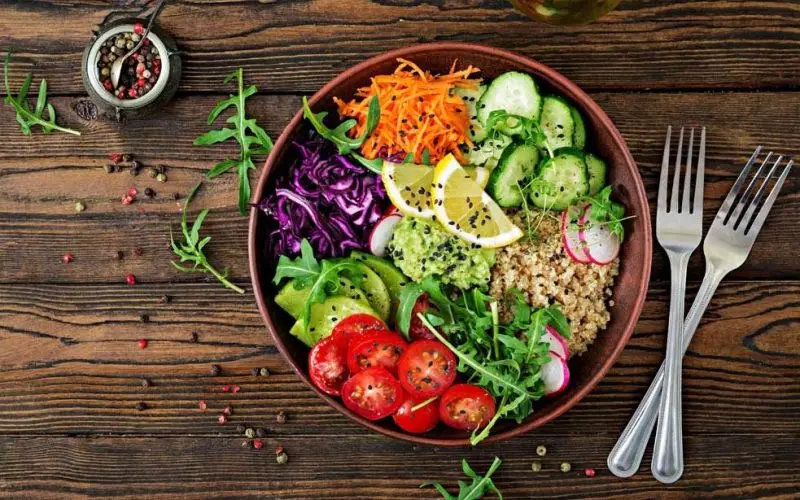
The concept of a plant-based diet has been gathering momentum in recent years, not only for its potential health benefits but also for its positive impact on the environment.
The plant-based diet centers around whole foods derived from plants, including fruits, vegetables, nuts, seeds, legumes, and whole grains, while minimizing or completely avoiding animal products.
If you’re considering transitioning to a plant-based diet or simply want to incorporate more plant foods into your meals, planning is key. In this article, we’ll explore what a plant-based diet is, its potential benefits, and present a sample week-long plant-based meal plan.
1. Understanding a Plant-Based Diet
Contrary to popular belief, plant-based does not always mean vegan. While both diets emphasize foods derived from plants, a plant-based diet might still include small amounts of meat, dairy, or eggs. The primary difference lies in the extent to which animal products are included.
Plant-based diets have been associated with various health benefits, such as weight management, improved heart health, lower risk of type 2 diabetes, and even longevity. The high fiber content of a plant-based diet can help you feel full, reducing overall calorie intake and promoting weight loss.
2. Advantages of a Plant-Based Diet
Besides personal health benefits, a plant-based diet also has significant environmental advantages. The production of plant-based foods generally requires less land, water, and energy than the production of meat and dairy. Thus, shifting towards a plant-based diet could contribute to reducing your carbon footprint.
A plant-based diet is also very diverse. It offers a wide range of foods and flavors, making it easy to satisfy different taste preferences. With some creativity, you can prepare hearty, delicious meals that not only taste good but also nourish your body with essential nutrients.
3. A Week-Long Plant-Based Meal Plan
To get you started, here is a sample week-long plant-based meal plan. This is merely a suggestion, and you should adjust it to fit your specific nutritional needs and flavor preferences.
Day 1
- Breakfast: Avocado toast on whole grain bread with cherry tomatoes
- Lunch: Quinoa salad with cucumber, tomatoes, chickpeas, and fresh herbs
- Dinner: Stir-fried tofu with mixed vegetables over brown rice
- Snack: A handful of almonds
Day 2
- Breakfast: Oatmeal with blueberries, chia seeds, and a drizzle of maple syrup
- Lunch: Lentil soup with whole grain bread
- Dinner: Whole wheat spaghetti with tomato sauce and roasted vegetables
- Snack: Fresh apple slices with almond butter
Day 3
- Breakfast: Green smoothie with spinach, banana, and flax seeds
- Lunch: Baked sweet potato with black bean salsa
- Dinner: Chickpea curry with brown rice
- Snack: A small bowl of mixed berries
Day 4
- Breakfast: Whole grain pancakes with fresh fruit and a dollop of almond yogurt
- Lunch: Vegetable stir-fry with tempeh and quinoa
- Dinner: Baked falafel with tahini sauce, served with a side of mixed greens
- Snack: Carrot sticks with hummus
Day 5
- Breakfast: Chia seed pudding with almond milk and mixed berries
- Lunch: Whole grain wrap with hummus, cucumber, bell peppers, and avocado
- Dinner: Veggie burger on a whole grain bun with a side of sweet potato fries
- Snack: A handful of mixed nuts and dried fruits
Day 6
- Breakfast: Scrambled tofu with spinach and tomatoes
- Lunch: Brown rice sushi rolls with avocado, cucumber, and carrot
- Dinner: Stuffed bell peppers with quinoa and black beans
- Snack: A fresh peach
Day 7
- Breakfast: Smoothie bowl with mixed berries, banana, and a sprinkle of granola
- Lunch: Lentil salad with mixed greens, cherry tomatoes, and a vinaigrette dressing
- Dinner: Vegan chili with whole grain bread
- Snack: Celery sticks with peanut butter
Conclusion
This sample meal plan is designed to inspire you and demonstrate that a plant-based diet can be versatile, satisfying, and delicious. Remember that it’s essential to ensure you’re getting a variety of foods to meet all your nutritional needs.
This might involve taking supplements for nutrients that are more challenging to get from plant foods, like vitamin B12 and omega-3 fatty acids. As always, before making any significant changes to your diet, it’s advisable to consult a registered dietitian or a healthcare provider.
With the right planning and a bit of creativity, a plant-based diet can be a tasty, nourishing, and sustainable option for any lifestyle.